Choosing a sport for your child can feel overwhelming. With so many activities available, many parents are looking for something that is fun, active, social and capable of growing with their child over time.
Tennis is one of the few sports that ticks all those boxes. It helps children develop physical skills, confidence, resilience and friendships while providing opportunities to play recreationally or competitively throughout life.
However, not all junior tennis programs are the same. Finding the right program for your child’s age, experience level and personality can make a significant difference to their enjoyment and long-term development.
The best junior tennis program is one that matches your child’s age, experience level, personality and goals while providing qualified coaching, a positive learning environment and clear development pathways.
In this guide, we’ll explain what to look for in a junior tennis program and how to choose the best option for your child.
Why Tennis Is One of the Best Sports for Children
Tennis offers far more than learning how to hit a ball over a net.
As children learn the game, they also develop important life skills that benefit them both on and off the court.
Some of the key benefits of junior tennis include:
- Improved coordination, balance and agility
- Better fitness and overall health
- Enhanced concentration and problem-solving skills
- Increased confidence and independence
- Learning sportsmanship and resilience
- Building friendships through shared activities
Unlike many sports that require large teams, tennis allows children to progress at their own pace while still enjoying a strong sense of community.
It’s also a sport that can be played for life, making it a valuable long-term activity for children of all ages.
Research from Sport Australia’s Physical Literacy Framework highlights the importance of developing movement skills, confidence and motivation to stay active throughout life—all areas that tennis can help support.
What Age Should Children Start Tennis?
One of the most common questions parents ask is, “When should my child start tennis?”
The good news is there is no single perfect age. Modern junior tennis programs are designed to suit children at different stages of development.
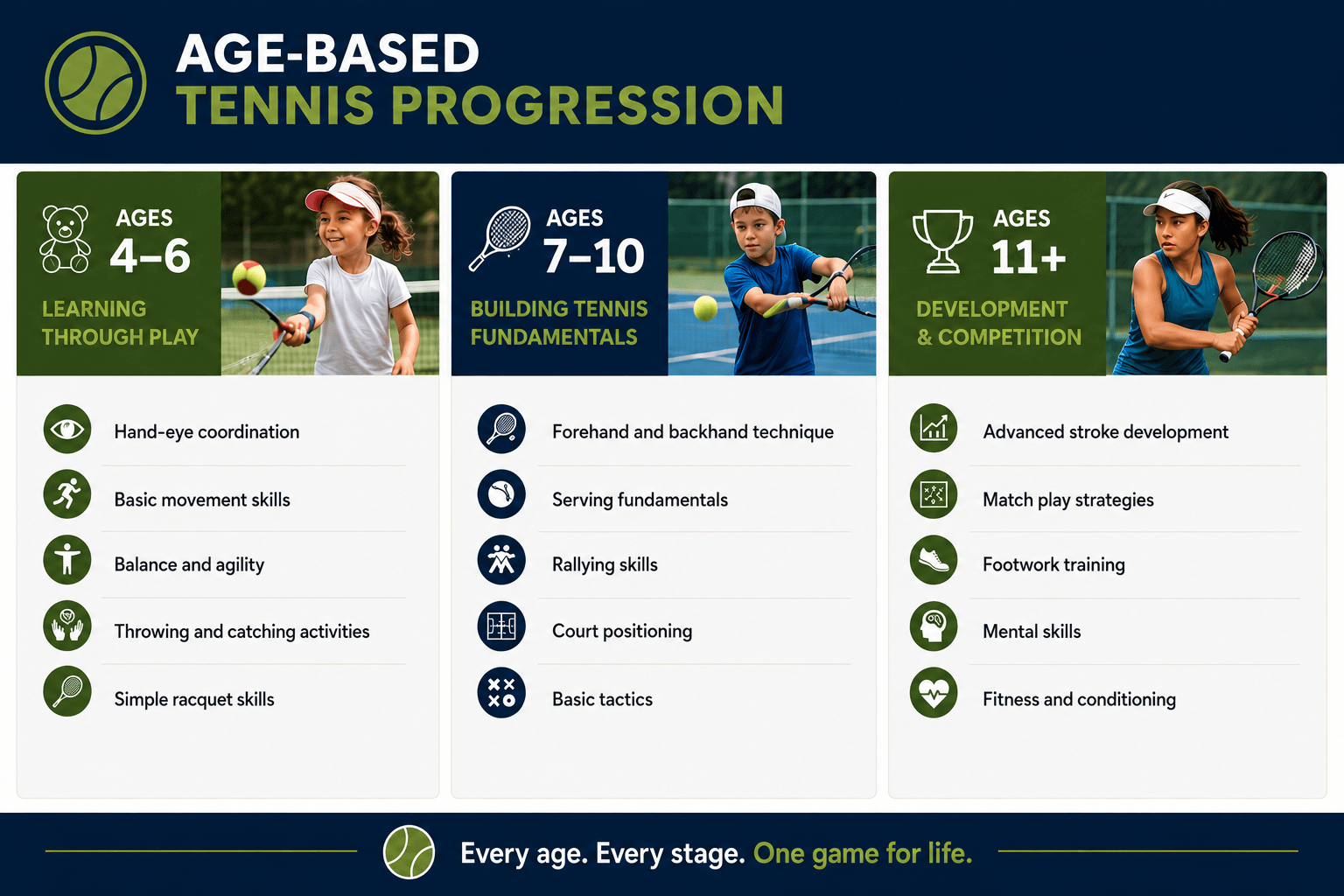
Ages 4–6: Learning Through Play
For younger children, tennis should be all about fun.
At this stage, coaches focus on:
- Hand-eye coordination
- Basic movement skills
- Balance and agility
- Throwing and catching activities
- Simple racquet skills
Modified courts, lower nets and softer balls make the game easier and more enjoyable for young players.
The goal isn’t perfect technique. It’s helping children develop confidence and a love for being active.
Ages 7–10: Building Tennis Fundamentals
As children grow, they become more capable of learning technical skills and understanding game concepts.
This is often the ideal age for structured junior coaching programs.
Players begin developing:
- Forehand and backhand technique
- Serving fundamentals
- Rallying skills
- Court positioning
- Basic tactics
Children in this age group typically enjoy seeing their improvement, making it an exciting time for skill development.
Ages 11 and Older: Development and Competition
Older juniors often start thinking about personal goals and performance.
Some may simply want to improve and play socially, while others may be interested in competitions and tournaments.
Coaching at this stage may include:
- Advanced stroke development
- Match play strategies
- Footwork training
- Mental skills
- Fitness and conditioning
Importantly, participation should still remain enjoyable regardless of whether a child chooses a recreational or competitive pathway.
Understanding the Different Types of Junior Tennis Programs
Not every junior tennis program is designed for the same type of player.
Understanding the differences can help you choose a program that matches your child’s current needs.
Beginner Programs
Beginner programs are ideal for children who are new to tennis.
These sessions focus on:
- Learning basic skills
- Building confidence
- Developing coordination
- Understanding simple game concepts
A supportive environment is especially important at this stage, as positive early experiences often lead to long-term participation.
Intermediate Programs
Intermediate players have usually developed basic tennis skills and are ready for more structured coaching.
Sessions often focus on:
- Stroke consistency
- Improved movement
- Rallying and point construction
- Match-play scenarios
These programs help bridge the gap between learning fundamentals and playing more independently.
Advanced and Performance Programs
Advanced programs are designed for players seeking higher levels of development.
Training may include:
- Technical refinement
- Tactical awareness
- Competition preparation
- Goal setting
- Match analysis
Players are challenged to improve while continuing to enjoy the sport.
Holiday Tennis Camps
Holiday camps provide a fantastic opportunity for children to spend more time on court during school breaks.
Benefits include:
- Increased practice time
- Social interaction
- Exposure to different coaching activities
- Fun games and competitions
- Active school holiday entertainment
Many children gain confidence quickly when they participate in several consecutive days of tennis activities.
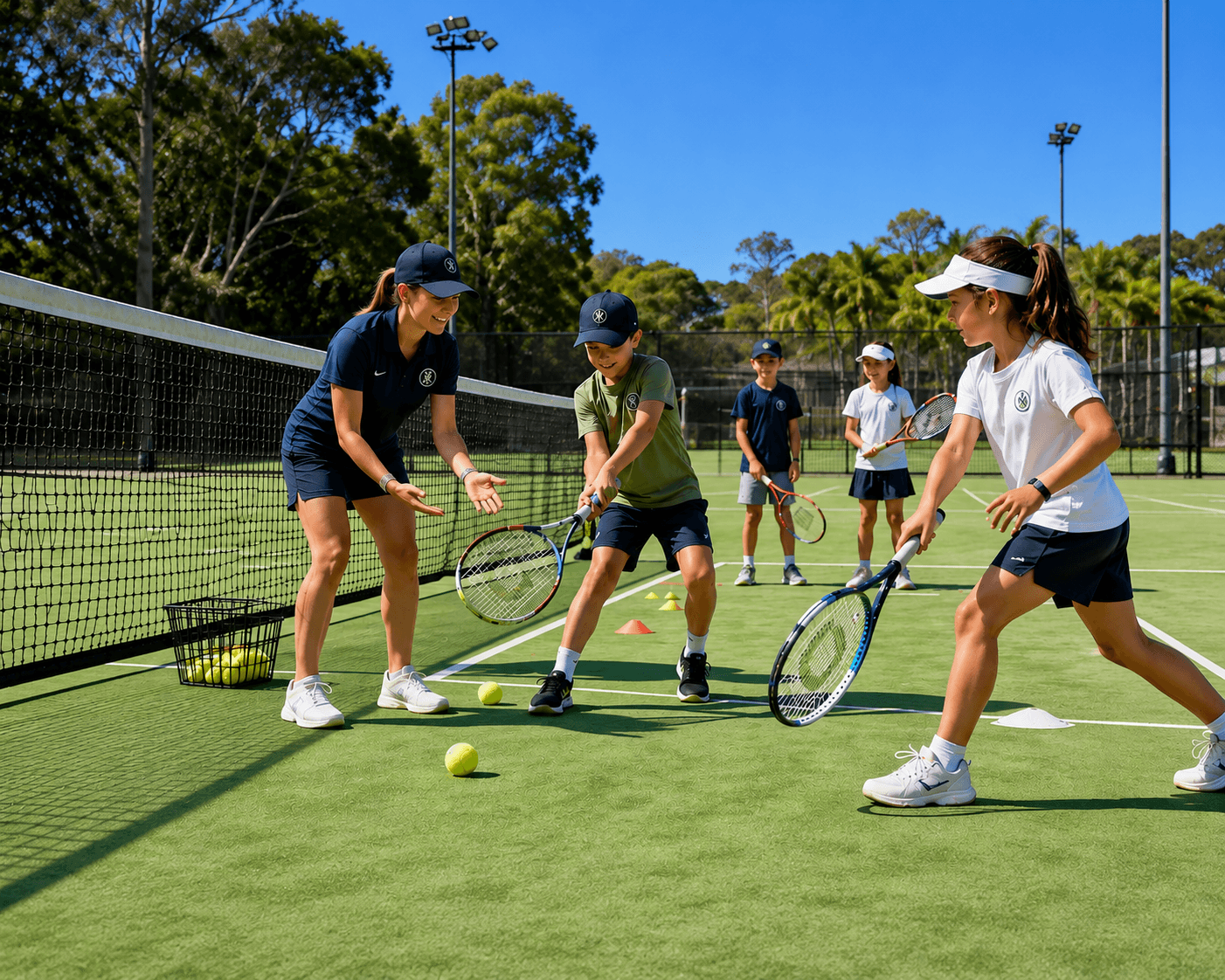
Group Lessons vs Private Tennis Coaching
Parents are often unsure whether group lessons or private coaching is the better option.
The answer depends largely on the child.
Benefits of Group Lessons
Group coaching is one of the most popular choices for junior players.
Advantages include:
- Learning alongside friends
- Affordable coaching
- Game-based learning
- Increased social interaction
- Exposure to match-play situations
Many children thrive in a group environment where learning feels fun and engaging.
Benefits of Private Coaching
Private lessons offer individual attention and customised instruction.
Benefits include:
- Personalised feedback
- Faster technical improvement
- Flexible learning goals
- Focused skill development
Private coaching can be particularly useful for players preparing for competitions or working on specific aspects of their game.
Which Option Is Best?
For many children, a combination of both approaches works well.
Group lessons provide social development and regular practice, while occasional private coaching can help address individual areas for improvement.
The best choice depends on your child’s goals, personality and level of commitment.
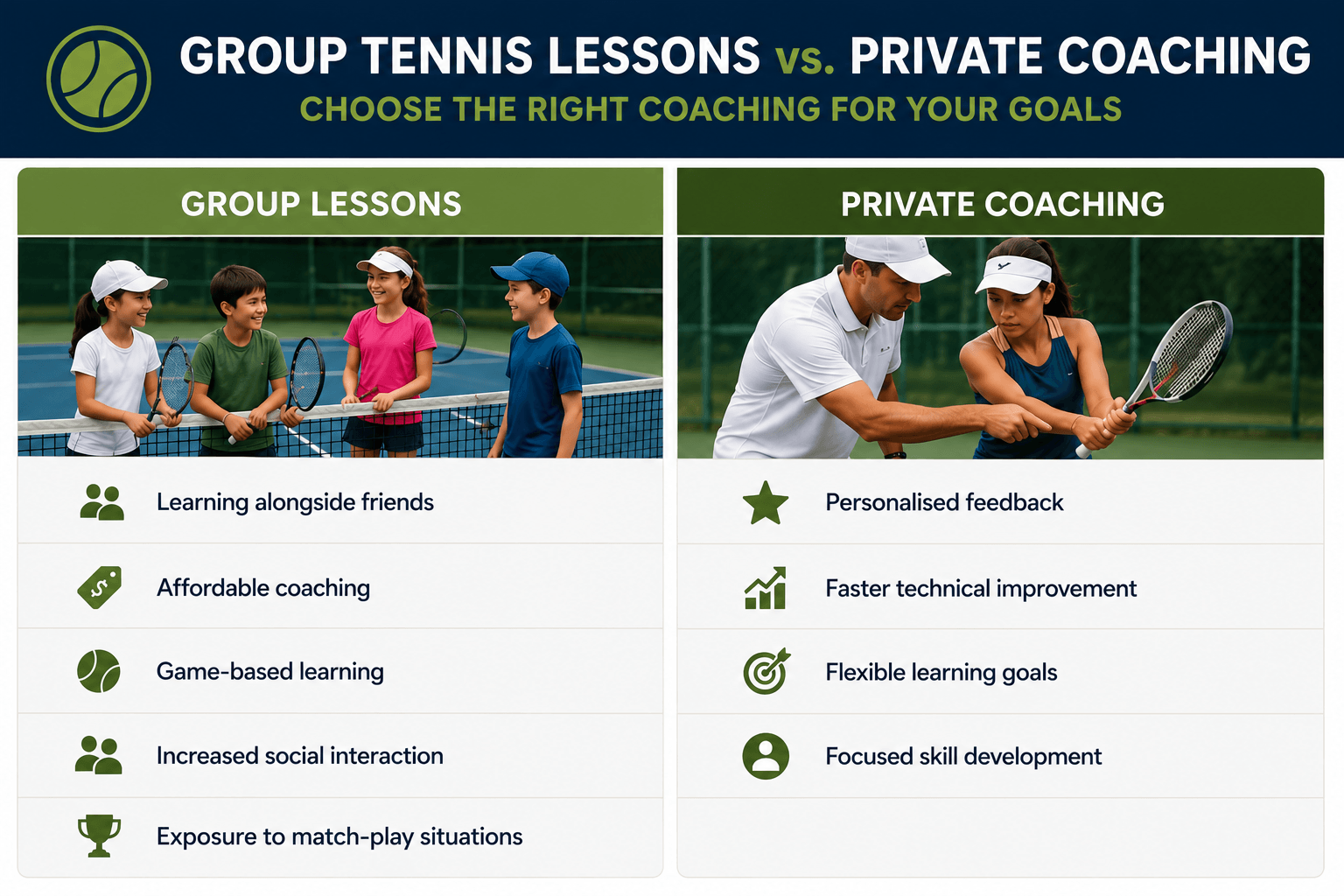
Signs You've Found the Right Tennis Program
The right tennis program should challenge your child while helping them enjoy the experience.
Positive signs include:
- Your child looks forward to attending lessons
- Coaches are supportive and encouraging
- Sessions are organised and age-appropriate
- Players are grouped appropriately
- Progression pathways are clearly explained
- Communication with parents is consistent
One of the simplest indicators is whether your child leaves the court smiling and excited to return.
Questions Parents Should Ask Before Enrolling
Before committing to a program, it’s worth asking a few important questions.
These might include:
- What age groups do you cater for?
- How are players assessed and grouped?
- What qualifications do the coaches hold?
- Is there a clear progression pathway?
- Are make-up lessons available if a session is missed?
- Do players have opportunities to participate in matches or competitions?
- How often should my child train?
A quality coaching provider will be happy to answer these questions and help you find the most suitable option.
From Beginner to Competition: Understanding the Tennis Pathway
One of the great strengths of tennis is that children can participate at many different levels.
A typical pathway may look like:
- Beginner coaching
- Skill development programs
- Social play and friendly matches
- Club competitions
- Local tournaments
- Advanced performance training
Not every child will progress through every stage, and that’s perfectly fine.
Success in junior tennis should not be measured solely by competition results. Long-term enjoyment, confidence and skill development are equally important outcomes.
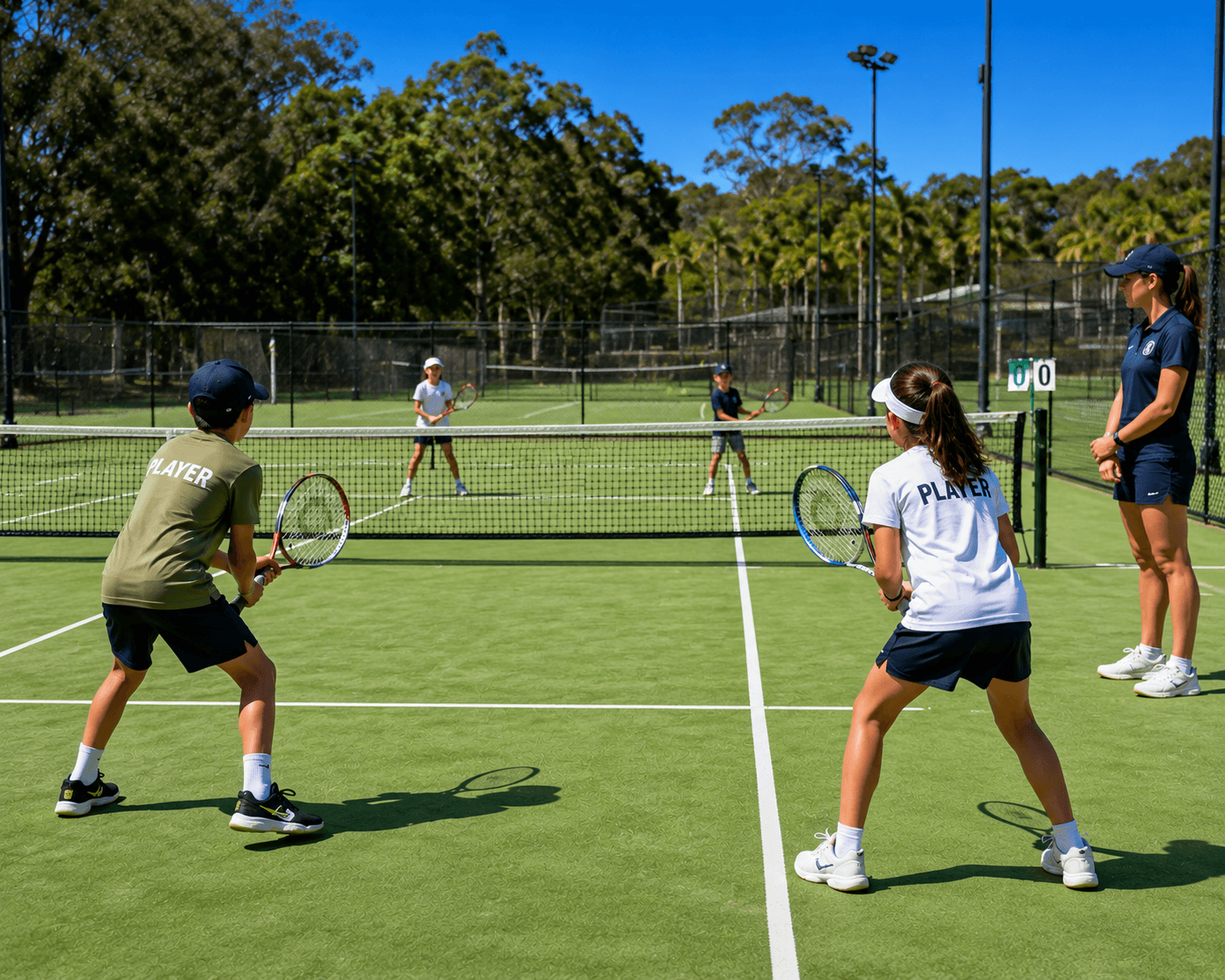
Why Local Families Choose Tennis on the Northern Beaches
Families across Frenchs Forest, Belrose, Dee Why and the wider Northern Beaches value activities that encourage healthy lifestyles and strong community connections.
Tennis offers a unique combination of:
- Physical activity
- Outdoor recreation
- Personal development
- Social interaction
- Lifelong participation opportunities
For busy families, local coaching programs provide a convenient way for children to stay active while learning valuable skills in a supportive environment.
Being part of a local tennis community can also help children build friendships and develop a sense of belonging beyond school.
Finding the Right Junior Tennis Program for Your Child
Every child is different.
Some children are naturally competitive, while others simply want to have fun, learn new skills and spend time with friends.
The best junior tennis program is one that matches your child’s age, ability level, personality and goals.
Look for qualified coaches, structured development pathways and an environment that prioritises both learning and enjoyment.
Most importantly, remember that long-term success in sport often starts with a positive first experience.
Whether your child is picking up a racquet for the first time or looking to take their game to the next level, the right coaching environment can help them build confidence, develop skills and discover a lifelong love of tennis.
If you’re looking for junior tennis coaching on the Northern Beaches, Oxford Falls Racquet Club offers welcoming programs designed to help children learn, improve and enjoy every step of their tennis journey. Contact us today to learn more about our junior tennis programs and find the right fit for your child.
Frequently Asked Questions
1. What is the best age for a child to start tennis?
Children can start learning tennis from around 4–6 years old through age-appropriate programs that use modified courts, racquets and balls. These programs focus on developing coordination, confidence and a love of the game in a fun, supportive environment.
2. How often should my child attend tennis lessons?
For most beginners, one lesson per week is a great starting point. As children become more confident and interested in improving, they may benefit from attending multiple sessions each week, participating in holiday camps or practising outside of lessons.
3. Are group tennis lessons or private coaching better for kids?
Both options have advantages. Group lessons are excellent for social interaction, learning through games and building confidence with peers. Private coaching provides personalised instruction and can help players improve specific skills more quickly. Many children benefit from a combination of both.
4. How do I know if a tennis program is right for my child?
A quality junior tennis program should offer qualified coaches, age-appropriate activities, clear development pathways and a positive learning environment. If your child enjoys attending lessons, feels supported and is making progress at their own pace, it’s usually a good sign you’ve found the right fit.
5. Can my child play tennis without competing in tournaments?
Absolutely. Tennis is a sport that can be enjoyed recreationally for life. Many children participate in coaching and social play simply for fitness, fun and friendship, while others choose to progress into club competitions and tournaments as their skills develop.